
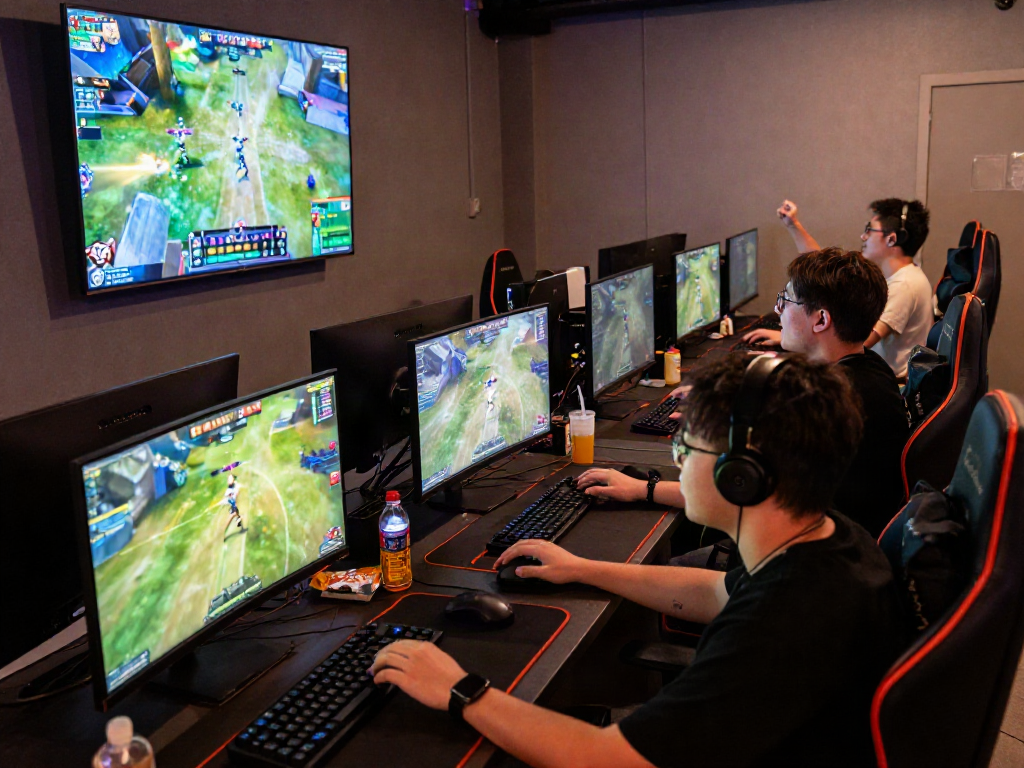
The Rise of Mobile Gaming Trends
As mobile technology continues its relentless advancement, the gaming industry finds itself at the forefront of this transformation. Mobile gaming has exploded in popularity, making it a significant player in the overall gaming landscape. The convenience of gaming on-the-go, coupled with ever-improving graphics and immersive experiences, leads to a broader demographic reaching for their mobile devices for entertainment. When exploring options, https://789win11.org/ provides comprehensive insights into these trends.
Transformative Features in Mobile Platforms
Modern mobile gaming platforms harness a multitude of innovative features that enhance the user experience. High-resolution displays, advanced touch controls, and haptic feedback technology allow for a level of engagement previously reserved for console gaming. Features such as augmented reality (AR) and virtual reality (VR) integration have made gameplay more interactive and realistic, creating a compelling reason for gamers to switch from traditional platforms.
Cross-Platform Play: The New Standard
The rise of cross-platform play marks a significant shift in how games are designed and experienced. This feature allows players on different devices—be it mobile, console, or PC—to compete or collaborate within the same game environment. This interconnectedness not only enhances player engagement but also builds larger, more cohesive gaming communities.
Impact of 5G on Mobile Gaming Experience
The rollout of 5G technology is set to revolutionize mobile gaming by drastically reducing latency and increasing download speeds. With a 5G connection, players can expect smoother gameplay, high-quality streaming, and the potential for cloud gaming solutions that allow them to play high-end titles on lower-tier devices. This enhancement is particularly crucial for competitive gaming, where every millisecond counts.
Emerging Technologies in Gaming Experiences
In addition to mobile advancements, emerging technologies are redefining the way gamers interact with their favorite titles. As the industry evolves, players are seeing a unique blend of technologies that offer not just entertainment but also an engaging experience.
Virtual Reality and Augmented Reality Integration
Virtual reality and augmented reality are becoming staples in modern gaming. VR provides an immersive environment that enables players to step into the game world, while AR enhances their real-world surroundings with interactive elements. Popular titles that utilize these technologies have seen remarkable success, as they allow for experiences that traditional gaming cannot match.
The Role of AI in Game Development
Artificial Intelligence (AI) plays a pivotal role in game development, enhancing everything from non-playable characters (NPCs) to game analytics. AI algorithms can personalize gameplay, adjust difficulty levels in real-time, and even generate nuanced narratives, taking player experiences to unprecedented heights. Developers increasingly rely on AI to create more engaging and adaptive game environments.
Blockchain and Its Impact on Gaming Economy
Blockchain technology is making waves in the gaming economy by introducing concepts like provably scarce digital assets, commonly known as NFTs (non-fungible tokens). This technology empowers gamers with true ownership of their in-game items and allows for secure, decentralized transactions. As this trend grows, we may see a shift toward player-driven economies within games.
Community Engagement in Online Gaming
The online gaming community is an ever-evolving entity that thrives on interaction and collaboration. As the sector grows, so does the importance of community engagement for both players and developers.
Influencer Marketing Trends in Gaming
Influencer marketing has become a powerful tool in shaping gaming trends. Popular streamers and content creators not only influence purchasing decisions but also drive community engagement. By collaborating with these figures, developers can reach wider audiences and foster deeper connections within the gaming community.
Utilizing Social Media for Community Building
Social media platforms act as a critical venue for community engagement among gamers. Developers and players alike use these platforms to share experiences, strategies, and game-related content. By fostering an active social media presence, game developers can build stronger communities and gather invaluable feedback on their products.
Esports: The Growth of Competitive Gaming Communities
The rise of esports has ushered in a new era of community engagement. Competitive gaming events attract robust audiences, both online and offline. The formation of teams, tournaments, and fanbases creates a vibrant ecosystem where players can showcase their skills and connect with fellow enthusiasts, further solidifying the gaming community.
Player Experience Enhancements
As gamers become more discerning, enhancing the player experience is paramount. Developers must innovate continuously to meet the evolving expectations of their audience.
Personalization in Game Content
Personalization has become a key focus within the player experience. Games that adapt to individual player preferences—offering customized content, tailored challenges, and unique storylines—can significantly boost engagement and satisfaction. This trend encourages developers to invest in user data analysis to curate bespoke experiences.
Gamification Beyond Gaming
The concept of gamification is finding its way into non-gaming industries, leveraging gaming mechanics to engage users. Applications in education, fitness, and productivity are becoming commonplace, illustrating that the principles of gaming can enhance motivation and retention across various sectors.
Health and Wellness Initiatives for Gamers
As awareness regarding health and wellness increases, gaming companies are implementing initiatives to support the well-being of their players. From in-game reminders to take breaks to partnerships with health organizations, the industry is progressively embracing its role in promoting balanced gaming habits.
Future Predictions for Gaming in 2026
Looking ahead, the gaming landscape in 2026 is poised to be dramatically different, influenced by both technological advancements and shifting cultural contexts.
Critical Trends Shaping Game Design
Future game design is expected to focus on inclusivity, accessibility, and sustainability. These trends will lead to games that cater to diverse audiences, from those with disabilities to eco-conscious consumers, emphasizing social responsibility alongside entertainment.
Effects of Global Events on Gaming Habits
Global events—such as pandemics or economic changes—have lasting impacts on gaming habits. The recent surge in online gaming due to lockdowns has shown that these periods often lead to a more engaged audience. Developers and marketers must adapt to these changing behaviors to maintain relevance in the market.
Challenges Facing the Gaming Industry Moving Forward
Despite the promising future ahead, the gaming industry faces challenges such as regulatory scrutiny, market saturation, and maintaining player retention. Developers must navigate these hurdles while continuing to innovate and provide high-quality gaming experiences to foster ongoing growth.
In summary, the gaming industry is undergoing a significant transformation driven by mobile advancements, emerging technologies, community engagement, and a focus on player experience. As we approach 2026, understanding and adapting to these trends will be crucial for developers and gamers alike, ensuring that the world of gaming remains vibrant, inclusive, and engaging for all.