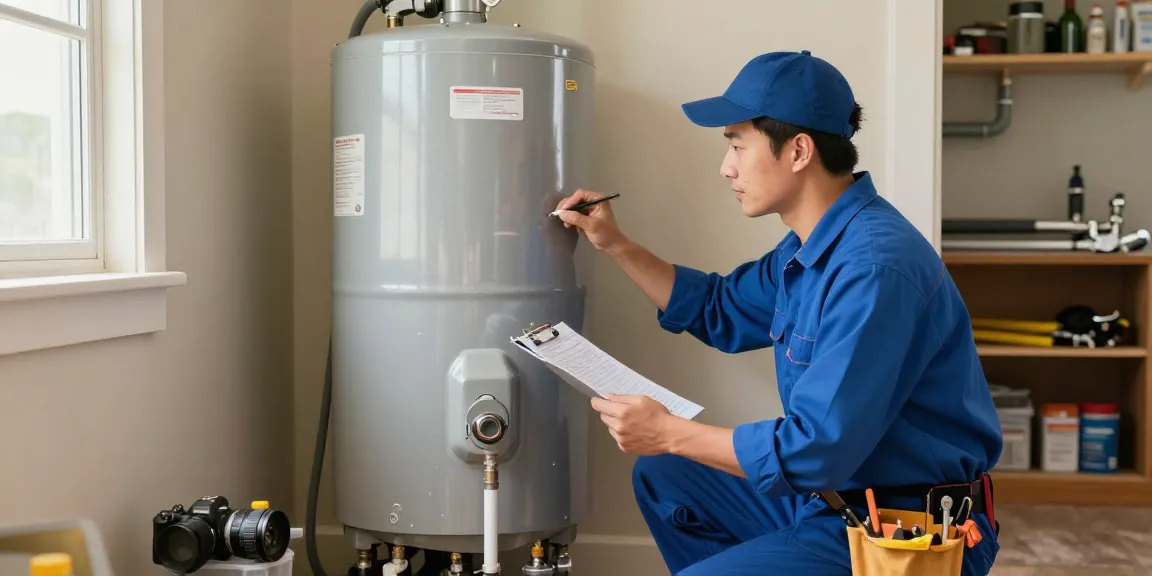
Understanding the Need for Water Heater Replacement in Fort Worth
For homeowners in Fort Worth, the reliability of their water heater is essential, particularly during the hot Texas summers and chilly winters. A malfunctioning water heater can not only disrupt daily routines but also lead to significant inconveniences and potential damage to the home. As a resident, understanding when it's time for water heater replacement Fort Worth is crucial. This knowledge can save you time, resources, and unnecessary stress during a plumbing emergency.
Common Signs Your Water Heater Needs Replacement
Identifying the need for a water heater replacement can sometimes be challenging. However, there are prominent indicators that suggest it might be time to upgrade your unit:
- Age Over 10 Years: Most water heaters last between 8 to 12 years. If yours is nearing or exceeding this age, it may be more efficient to replace it rather than repair it.
- Leaks or Puddles: Water pooling around your heater is a strong sign of a potential leak, which could lead to extensive water damage if not addressed promptly.
- Inconsistent Water Temperature: If your water temperature fluctuates between hot and cold unexpectedly, it indicates that your heater is struggling to maintain efficiency.
- Strange Noises: Odd sounds, such as banging or popping, can signal sediment buildup in the tank, which can cause inefficiency and overheating.
- Rusty Water: If your hot water comes out rusty or discolored, it could mean the internal tank is corroding, calling for immediate replacement.
Factors Influencing Water Heater Lifespan
Several factors contribute to the lifespan of your water heater, including:
- Quality of Installation: Proper installation ensures that the water heater operates efficiently and has a longer life.
- Water Quality: Hard water can lead to the buildup of minerals inside the tank, shortening its lifespan significantly.
- Usage Patterns: The more frequently your water heater is used, the shorter its lifespan tends to be.
- Maintenance Schedule: Regular maintenance, such as flushing the tank, contributes to the longevity of your heater.
The Cost-Benefit Analysis of Replacement vs. Repair
When faced with a malfunctioning heater, homeowners often wonder whether to repair or replace. While repairs may seem like the less expensive option initially, it’s essential to consider:
- The cost of frequent repairs over time.
- The potential for higher energy bills if an older heater operates inefficiently.
- Warranty coverage for new water heaters, which can mitigate future repair costs.
Ultimately, investing in a new water heater may prove economically advantageous in the long run.
Choosing the Right Water Heater for Your Home
Selecting the right water heater involves considering your family's needs, efficiency ratings, and the type of unit that best fits your home's infrastructure. Understanding your options ensures that you make a well-informed decision regarding your water heater purchase.
Types of Water Heaters: Tank vs. Tankless
Water heaters come in various types, with tank and tankless being the most common:
- Tank Water Heaters: Traditional systems that store heated water in a tank. They are typically less expensive upfront but can lead to higher energy costs.
- Tankless Water Heaters: Also known as on-demand water heaters, they heat water as needed and typically have a longer lifespan, but come with a higher initial cost.
Key Features to Consider When Selecting a Water Heater
When selecting a new water heater, consider the following features:
- Energy Efficiency Ratings: Look for models with high efficiency ratings to save on energy costs.
- Capacity: Choose a size that meets your household's hot water needs without overtaxing the system.
- Installation Requirements: Ensure the selected unit fits your home's infrastructure and complies with local building codes.
Understanding Local Code Compliance and Regulations
Before purchasing a new water heater, familiarize yourself with the local codes and regulations in Fort Worth. Compliance with these codes ensures safety and legality. Working with a qualified plumber can help navigate these requirements seamlessly.
The Water Heater Replacement Process Explained
Replacing a water heater involves a structured process designed to ensure safety and efficiency. Understanding the steps can alleviate concerns and help you prepare effectively.
Step-by-Step Guide to Replacing Your Water Heater
Here’s a simplified overview of the replacement process:
- Assessment: A qualified technician assesses the existing unit and determines the appropriate replacement model.
- Preparation: The area around the water heater is prepared for installation, ensuring easy access and minimal disruption.
- Removal: The old water heater is safely disconnected and removed.
- Installation: The new unit is installed, with all connections made securely.
- Testing: The installation is tested to ensure proper function and safety.
What to Expect During Installation
During the installation, expect your technician to communicate clearly about the process, including:
- The importance of safety measures throughout the installation.
- Any necessary modifications that may need to be made to accommodate the new unit.
- The timeline for installation, including expected completion time.
Post-Installation Maintenance Tips
After installation, maintaining your new water heater is crucial to extend its lifespan. Key maintenance tips include:
- Regularly flushing the tank to remove sediment buildup.
- Checking the anode rod periodically and replacing it if necessary.
- Monitoring the pressure relief valve to ensure functionality.
- Scheduling annual professional inspections.
Emergency Plumbing Solutions in Fort Worth
In Fort Worth, emergency plumbing situations can arise unexpectedly, necessitating quick action and professional assistance. Knowing how to respond can mitigate damage and stress.
How to Handle a Major Leak Effectively
In the event of a major leak, homeowners should take immediate action:
- Shut off the nearest water valve or the main water supply.
- Clear the area of any belongings to prevent water damage.
- Contact a professional plumber as soon as possible for emergency repairs.
When to Call for Emergency Plumbing Services
Recognizing when a plumbing issue qualifies as an emergency is essential. Call for emergency services when:
- There’s a significant water leak.
- Water is flooding your home or basement.
- There’s a complete lack of water supply.
- There are issues with gas lines or potential carbon monoxide leaks.
Preparing Your Home for Plumbing Emergencies
Being proactive can help you manage plumbing emergencies efficiently. Consider these preparation tips:
- Know the location of your main water shut-off valve.
- Keep contact information for emergency plumbing services readily available.
- Educate family members about basic plumbing issues and responses.
Customer Insights: Why Fort Worth Homeowners Trust Us
At Direct Water Heater Repair & Plumbing Fort Worth, our commitment to customer satisfaction and high-quality service shines through in our customer interactions and testimonials.
Case Studies of Successful Water Heater Replacements
Our team has successfully completed myriad water heater replacements, each time tailoring our approach to meet specific customer needs. Highlighted cases include:
- A rapid replacement for a family of five needing increased hot water capacity, leading to improved daily routines.
- A senior couple who required a tankless system for efficiency, resulting in significant energy savings.
Testimonials from Satisfied Customers
Customers frequently express their appreciation for our transparency, professionalism, and expertise:
"The team was quick, courteous, and explained every step of the water heater replacement process. I couldn't be happier!" — Jane D., Fort Worth
Building Long-Term Relationships with Local Residents
Our focus on building rapport with Fort Worth residents enables us to provide personalized service. Many of our clients rely on us for ongoing maintenance and future plumbing needs.
What Are the Most Common Water Heater Issues?
Some frequent issues that homeowners encounter with their water heaters include:
- Inadequate heating
- Leaking tanks
- Corrosion and rust
- Noise disturbances
How Can You Ensure Your Water Heater is Efficient?
To maximize efficiency, homeowners should:
- Insulate hot water pipes
- Set the thermostat to an optimal temperature (usually between 120-140°F)
- Schedule yearly inspections
What Should You Know Before Buying a New Water Heater?
Before making a purchase, consider:
- The energy efficiency rating — higher ratings can lead to long-term savings.
- Your household's hot water needs based on size and usage.
- The warranty options available with each unit.
What Are the Benefits of Regular Water Heater Maintenance?
Regular maintenance can prevent costly repairs and extend the life of your water heater. It ensures optimal performance and can catch potential issues early.
What is the Average Lifespan of a Water Heater?
The average lifespan of a water heater can vary based on type and usage, but generally:
- Traditional tank water heaters: 10-15 years
- Tankless water heaters: 15-20 years